



English read here
Benjamin Heisenbergs Lehrtätigkeit umfasst ein breites Spektrum praxis-, theorie- und analysebasierter Formate in Bachelor- und Masterstudiengängen Film. In teils Jährlich stattfindenden Seminaren oder Einzelveranstaltungen, Vorträgen und Masterclasses hat Heisenberg an der ZHDK, der HFFMünchen, der DFFB, der Filmakademie Wien, der HFF Potsdam, der University of Nebraska-Lincoln, USA und der HSLU Luzern unterrichtet.
Heisenberg vermittelt umfassende Kompetenzen in Schauspielführung, Regie und Spielfilmdramaturgie und verbindet praktische Arbeit konsequent mit analytischer und theoretischer Reflexion in die auch seine Kompetenzen aus seiner Arbeitspraxis im Film, in der bildenden Kunst und in der Literatur einfliessen.
Ein zentraler Schwerpunkt liegt auf der Arbeit mit Schauspieler:innen, verstanden als individueller, persönlicher und zugleich gleichwürdiger und strukturierter Prozess. Studierende erproben anhand von Drehbuchszenen Dialog, Subtext, Figurenbeziehungen, Blocking und Inszenierung praktisch und reflektieren ihre Arbeit über Schnitt und gemeinsame Sichtung; Rollenwechsel zwischen Regie und Spiel fördern ein vertieftes Verständnis performativer Prozesse.
In projektbasierten Regieformaten erwerben die Studierenden Erfahrung im gesamten Entstehungsprozess eines Kurzfilms – von Drehbuchanalyse, Regiefassung und Casting über Proben, Dreh und Filmschnitt bis zur Zusammenarbeit mit Kamera, Produktion und weiteren Gewerken. Dabei werden interdisziplinäre Arbeitsweisen, Teamführung und professionelle Kommunikationsformen gezielt vermittelt.
Die dramaturgische Ausbildung auf Drehbuchebene umfasst sowohl die Entwicklung fiktionaler Stoffe aus realen Begebenheiten als auch die Auseinandersetzung mit Grundbegriffen und Modellen der Dramaturgiegeschichte, ergänzt durch interdisziplinäre Stoffentwicklung, Pitch-Formate und professionelle Präsentation von Projekten.
Theoretisch-analytische Lehrformate stärken filmhistorisches Orientierungswissen sowie die Fähigkeit zur präzisen Filmanalyse auf Bild-, Schnitt- und Montageebene, einschließlich experimenteller Analyse im Editing.
Weitere Schwerpunkte liegen auf der Analyse von Kommentarformen, dem Zusammenspiel von Bild, Ton und Text sowie der Untersuchung der Beziehung von Film, Architektur und Raum, die Heisenberg sowohl im Bezug auf Spielfilme, als auch aus seiner Arbeitspraxis in der bildenden Kunst heraus analysiert.
Benjamin Heisenberg’s teaching practice spans a wide range of practice-based, theoretical, and analytical formats in BA and MA film programs. Through regularly recurring seminars as well as individual courses, lectures, and masterclasses, he has taught at institutions including ZHdK, HFF Munich, DFFB, the Film Academy Vienna, HFF Potsdam, and HSLU Lucerne.
Heisenberg conveys extensive expertise in directing actors, film directing, and narrative dramaturgy, consistently combining hands-on practice with analytical and theoretical reflection. His teaching is informed by his professional work in cinema as well as by his experience in visual art and literature, allowing for a cross-disciplinary perspective on cinematic storytelling.
A central focus of his pedagogy is work with actors, understood as an individual, personal, and at the same time egalitarian and structured process. Using screenplay scenes, students practically explore dialogue, subtext, character relationships, blocking, and staging, and reflect on their work through editing and collective screenings. Deliberate shifts between directing and acting roles foster a deeper understanding of performative processes.
In project-based directing formats, students gain experience across the full production cycle of a short film—from script analysis, directorial interpretation, and casting to rehearsals, shooting, editing, and collaboration with cinematography, production, and other departments. These formats emphasize interdisciplinary collaboration, leadership skills, and professional communication.
Training in screenwriting dramaturgy includes both the development of fictional narratives based on real events and an engagement with key concepts and models from the history of dramatic theory. This is complemented by interdisciplinary story development, pitching formats, and the professional presentation of projects.
Theoretical and analytical courses strengthen students’ knowledge of film history and their ability to conduct precise film analysis on the level of image, editing, and montage, including experimental approaches within the editing process itself.
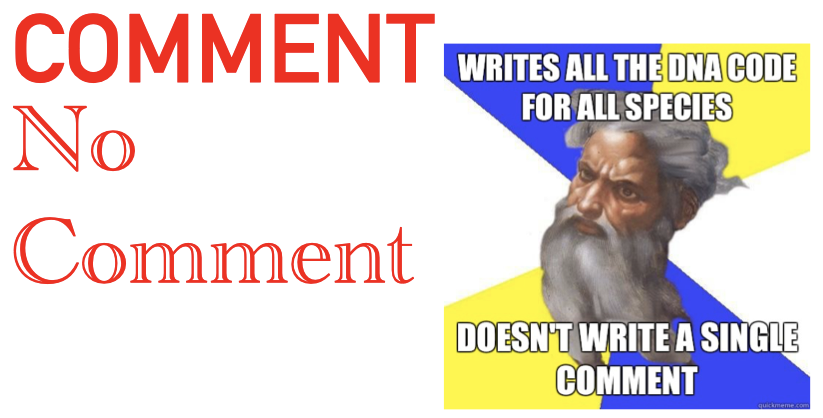
Further areas of focus include the analysis of commentary forms, the interaction of image, sound, and text, as well as the relationship between film, architecture, and space. Heisenberg approaches these topics both through the analysis of narrative cinema and through perspectives drawn from his own artistic practice in the visual arts.